
Darajani Market, Zanzibar: Stone Town's Main Market and What to Buy
Updated November 17, 2026 · Zanzibar Ibrahim Tours
Photo: Aron Marinelli / Unsplash
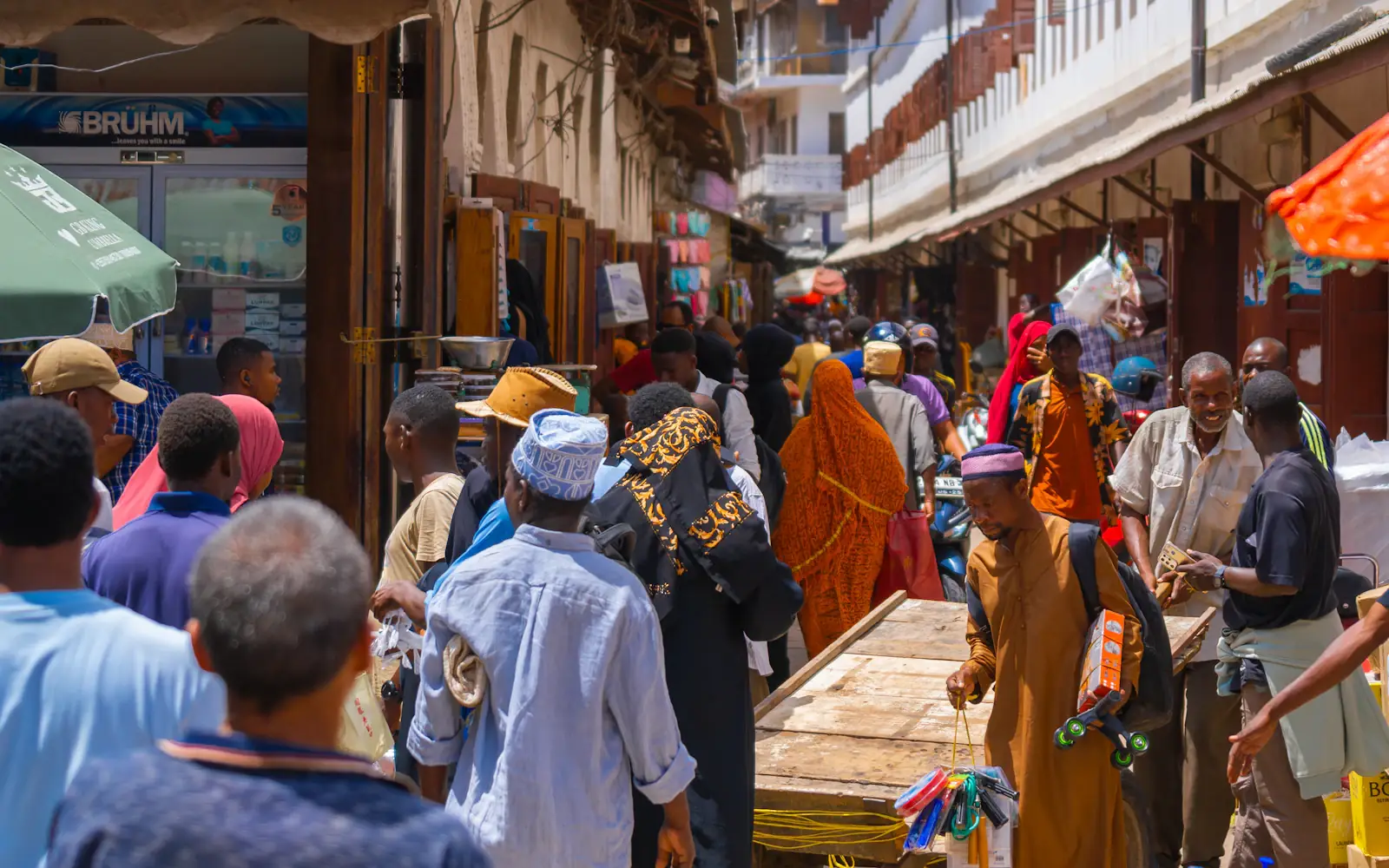
Darajani Market is Stone Town's main market, on Darajani Road at the eastern edge of the old town in Zanzibar. Go early, ideally between 7am and 10am, to see the fish auction, fruit and spice stalls at their busiest. Then browse the surrounding lanes for souvenirs, bargaining politely and paying in Tanzanian shillings.
This is where Stone Town actually shops, so it is noisy, crowded and real. Our office in Shangani is a short walk away, and these are the tips we give our own guests.
Darajani Market at a glance
- Also called: Marikiti Kuu ("main market") or Estella Market.
- Where: on Darajani Road, a few minutes' walk north of the Old Slave Market and Christ Church Cathedral.
- Best time: early morning for fish and fresh produce; late morning for an easier look around.
- What it sells: mainly food (fish, meat, fruit, vegetables, grains and spices), with clothes, fabrics and household goods in the streets around it.
- Paying: cash in Tanzanian shillings, in small notes.
- Allow: about an hour for the market itself, longer if you shop the lanes.
- Bring: your own bag. Tanzania has banned plastic bags.
A short history of Darajani: the market by the bridge
Darajani means "at the bridge" in Swahili. A tidal creek once separated the stone-built town on the peninsula from Ng'ambo, "the other side", where most ordinary Zanzibaris lived, and a market grew up beside the bridge that joined them. The creek was later filled in, and the main road beside the market still marks its line.
Traders were here in the late 19th century, and the covered market hall was built in 1904, in the reign of Sultan Ali bin Hamud. It has been extended and repaired many times since; the most recent big renovation closed it for about two months and it reopened in January 2023.
The market sits on the same walk as the Old Slave Market, so it is easy to combine the two. Our history of Zanzibar guide tells the bigger story of the town around it.
What you will find inside Darajani Market
The fish market and auction
The highlight for many visitors. Early in the morning, boats bring in the night's catch and it is auctioned off in a fast, loud and good-natured crowd: tuna, kingfish, octopus, squid, reef fish and, on some days, much bigger fish. By late morning the auctions are smaller and the stalls are selling what is left. The floor is wet and slippery, so wear closed shoes.
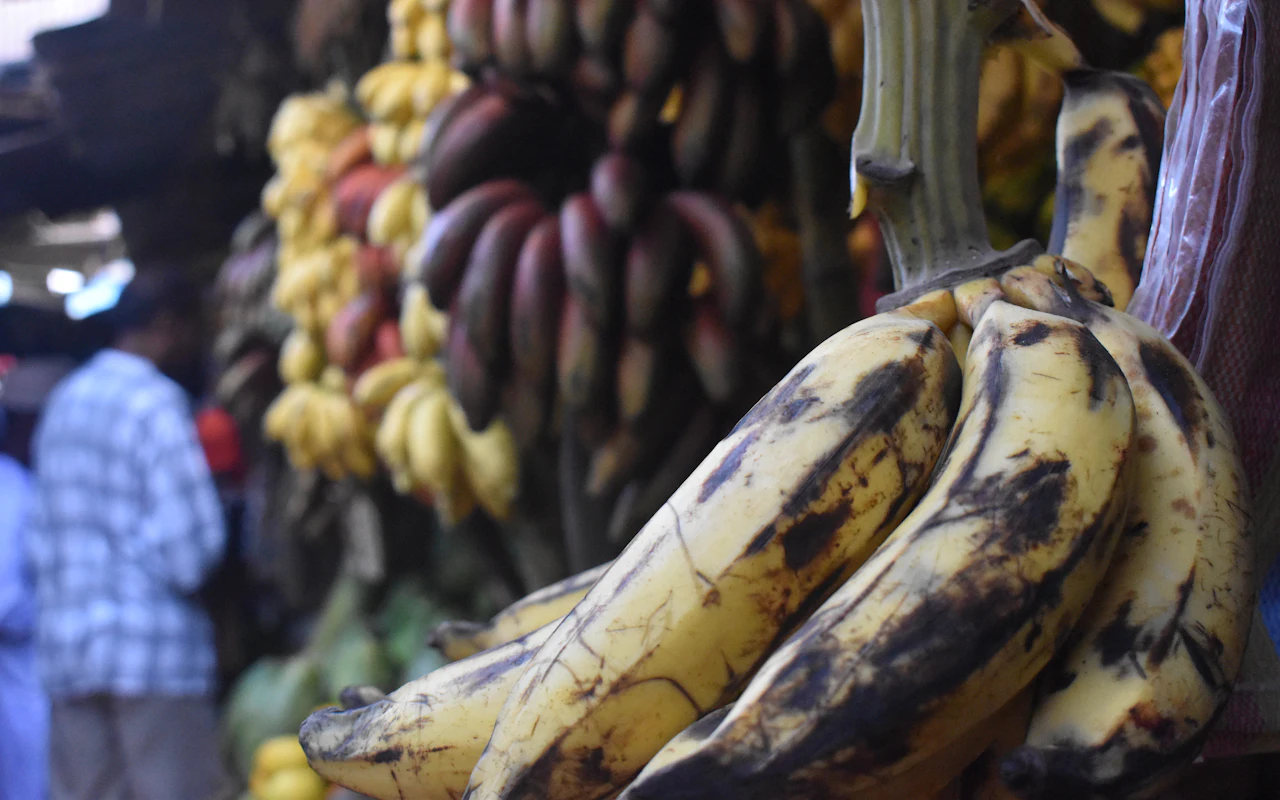
Photo: Matt Benn / Unsplash
The meat section
Mostly beef, goat and chicken, cut to order on wooden blocks. It is a working butchery in a hot climate, so the smell is strong. If you are squeamish, walk round it.
Fruit and vegetables
This is where the colour is: bananas of several kinds, mangoes, pineapples, papayas, jackfruit, oranges, limes, cassava and greens. What is on sale changes with the season, and our guides are happy to buy you something you have never tried.
Spices and dry goods
Loose spices, rice, beans, dried fish and coconut sit in sacks and baskets. These are the prices and quantities local cooks buy at, rather than gift packs, which makes it a good place to pick up whole spices for your own kitchen.
Around the market
The streets around the hall are just as busy, with stalls of clothes, shoes, kangas, kitchenware, phones and SIM cards. Across the main road, the newer Darajani shopping area is calmer and mostly sells fabrics and clothing.
Best time to visit Darajani Market
- 7am to 10am: the fish auction, the freshest produce and the most life. It is also cooler.
- 10am to noon: still busy, easier to walk around and better for unhurried shopping.
- Afternoon: quieter, hotter and with less on display. Fine for shopping in the lanes, less so for the market hall.
- Fridays around midday: many traders go to prayers, so some stalls close for a while.
- Ramadan: the daytime market is calmer and the streets come alive after sunset, as families shop for the evening meal and, near the end of the month, for Eid clothes.
What to buy: Zanzibar souvenirs worth taking home
You can find most of these at or around Darajani, and in the shops on Gizenga Street and Hurumzi Street in the old town.
- Spices: cloves, cinnamon, nutmeg, black pepper, cardamom and vanilla. Buy whole rather than ground, and in sealed bags for the flight. If you want to see them growing first, join our Zanzibar spice tour.
- Kanga: the printed cotton cloth worn across the Swahili coast, sold in pairs, each with a Swahili saying printed along the border. Ask the seller what yours says.
- Kikoi: a thicker woven cloth, usually striped, that works as a sarong, beach towel or scarf.
- Kofia: the embroidered cap worn by many Zanzibari men. Good ones are hand-stitched and take a long time to make.
- Carved wood: miniature Zanzibar doors, small chests and boxes. Look at the joints and finish, and ask what wood it is.
- Tingatinga paintings: the bright, flat style of painting that started in Tanzania in the 1960s and is sold all over Stone Town.
- Coffee and tea: grown on the Tanzanian mainland and sold by weight in town.
- Woven baskets and mats: made from palm leaves, light to pack.
- Soaps and oils: coconut and spice soaps, often made by small local cooperatives.
For tanzanite and other gemstones, only buy from an established jeweller who gives you a written certificate, never from a street seller.
What not to buy
- Shells, coral and turtle shell: many come from protected species, and customs officers at either end of your journey can confiscate them.
- Anything made from ivory or wild animal skins: it does not matter that it was on open sale in the market.
- Fresh food for home: most countries restrict meat, fish, fruit and plants. Check your own government's rules before packing spices and dried goods, too.
If you are travelling to the UK, the government warns that goods from endangered species are banned even if they were openly sold where you bought them.
How to bargain at Darajani and in Stone Town
Bargaining is normal for souvenirs, fabrics and crafts, and much less so for everyday food. A friendly approach works best:
- Look first, buy later. Walk a few stalls and ask prices before you decide. You will quickly get a feel for the range.
- Greet before you ask. A simple "Jambo" or "Habari" and a smile changes the conversation.
- Let the seller name a price, then counter. Meet somewhere in the middle. If you cannot agree, thank them and move on; sometimes the price follows you.
- Buy several things from one stall. It is the easiest way to get a better deal on each.
- Keep it in proportion. The difference you are arguing over is often small to you and meaningful to a family stall. Once you have agreed a price, pay it.
- Pay in shillings. Prices quoted in foreign currency are often rounded up. Our guide to Zanzibar currency and tipping explains cash, cards and ATMs.
Local tips for Darajani Market
- Ask before photographing people. The fish auction and the stalls are someone's workplace. Most people are happy to be asked; some will say no, and some may ask for a small purchase instead.
- Dress for town. Cover shoulders and knees, and wear closed shoes you do not mind getting wet.
- Keep valuables out of sight. Theft is not common, but pickpockets work in any busy market. Use a zipped bag worn in front.
- Watch your step. Handcarts and bicycles move fast through the crowd, so step aside when you hear a shout behind you.
- Go with a guide the first time. A guide can explain what is on sale, take you to the fish auction at the right moment and help with prices.
- Eat nearby. Small local restaurants around the market serve rice, curries and chapati at lunchtime. In the evening, head to the seafront for the Forodhani Gardens night market.
Plan it with Zanzibar Ibrahim Tours
Ask us to include Darajani on our Stone Town walking tour, or pair it with a spice farm on our spice farm and Stone Town tour. See current prices on the tour pages, or message us on WhatsApp at +255 675 366 829 or through our contact page. We reply 24/7.
Sources
- Daily News (Tanzania): Joy as Darajani market reopens for business (January 2023)
- UK FCDO: Tanzania safety and security (plastic bag ban, local laws)
- GOV.UK: Bringing goods into the UK, banned and restricted goods
- GOV.UK: Check if you need a CITES permit
- UNESCO World Heritage Centre: Stone Town of Zanzibar
- AramcoWorld: Kanga's Woven Voices
- SafariBookings: Darajani Market in Stone Town
FAQs
What are the opening hours of Darajani Market?
There are no fixed published hours. Traders start very early and the market is busiest from about 7am to 10am; it gets quieter through the afternoon, and many stalls close for a while around Friday midday prayers.
What is Darajani Market famous for?
It is Stone Town's main food market, known for its early-morning fish auction, fruit and vegetable stalls and loose spices. The covered market hall dates from 1904.
Is Darajani Market a good place to buy spices?
Yes. You can buy loose whole spices such as cloves, cinnamon, nutmeg and black pepper at local prices. Buy whole spices in sealed bags and check your home country's import rules.
What souvenirs should I buy in Zanzibar?
Good choices are whole spices, kanga and kikoi cloth, embroidered kofia caps, carved miniature doors and boxes, Tingatinga paintings and Tanzanian coffee. Avoid shells, coral, turtle shell and ivory.
Do you have to bargain at Darajani Market?
For souvenirs, fabrics and crafts, yes, bargaining is normal and expected to be friendly. For everyday food the prices are usually close to fixed.
Can I take photos in Darajani Market?
You can photograph the market scene, but always ask before taking pictures of people, especially close-ups. Some traders will say no, and that should be respected.
Is Darajani Market safe for tourists?
Yes, it is a normal working market used by locals all day. Keep valuables out of sight, watch for pickpockets in crowds and wear closed shoes in the wet fish and meat sections.
Where is the best shopping in Stone Town?
For everyday goods and spices go to Darajani Market. For crafts and souvenirs, browse the shops on Gizenga Street and Hurumzi Street in the old town.